
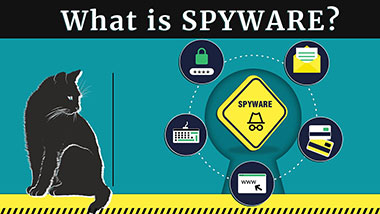
What Is Spyware?
What spyware means today
Spyware is a category of malicious software that monitors a person or device and sends collected data to someone else. Depending on the sample, that data may include keystrokes, saved passwords, browsing history, cookies, screenshots, location, documents, clipboard data, or account sessions.
Spyware is dangerous because it is built to stay unnoticed. Many victims do not realize what happened until credentials are reused, accounts are logged into elsewhere, or sensitive data shows up in a larger fraud or extortion chain.
In real-world Windows incidents, spyware often appears together with other threats. A fake installer may bring a stealer, a keylogger, browser abuse, and a downloader at the same time. That is why spyware detection is often part of a wider anti-malware cleanup workflow.
If you suspect password theft, session hijacking, keylogging, or hidden browser-data theft on a Windows PC, the direct cleanup destination is our spyware remover. If the machine shows broader mixed-infection symptoms beyond spying activity, use the malware removal workflow instead.
Spyware Quick Facts
- Spyware focuses on surveillance and data theft. It often targets passwords, cookies, browser sessions, screenshots, clipboard data, and activity history.
- Modern spyware often overlaps with stealers. One sample may both monitor activity and directly exfiltrate credentials or wallet data.
- The first visible signs are usually indirect: reused sessions, password resets, odd extensions, new startup entries, or unexplained outbound traffic.
- Cleanup intent should stay separate from definition intent. Use Spyware Remover when the goal is response on Windows, and use Malware Removal when several threat types appear together.
Types of spyware
“Spyware” covers several overlapping subtypes. The most useful categories are:
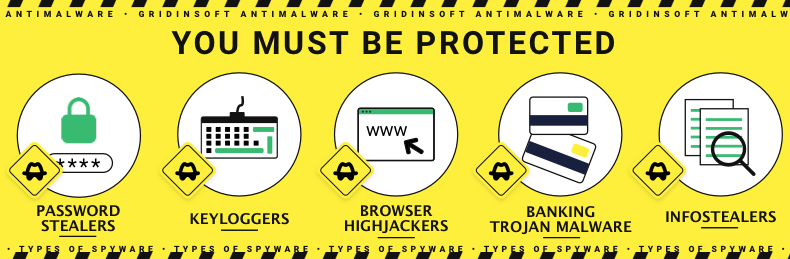
- Keyloggers: record keystrokes, typed credentials, and sometimes clipboard data or screenshots.
- Password stealers: target browser-stored logins, session cookies, autofill data, and saved credentials.
- Banking spyware and banking trojans: steal credentials and payment data from financial sessions.
- Infostealers: collect broader system, browser, wallet, and document data.
- Stalkerware and monitoring tools: focus on messages, calls, location, and device activity.
- Browser abuse with spyware components: redirects, injected extensions, and hijackers that also harvest user data.
Spyware vs. stealers
The two terms are close, but not identical. Spyware is the broader label for software that watches or records user activity. A stealer is usually more goal-oriented: it is built to grab specific valuable data such as passwords, cookies, crypto wallets, or browser sessions.
In practice, one sample may do both. A spyware family may include stealer components, and a credential stealer may still monitor enough activity to behave like spyware. For defenders, the practical lesson is simple: if a machine may be leaking data, scan for both hidden monitoring and direct credential theft.
That is also why early response matters. If the signs point to credential theft on Windows, start with a dedicated spyware-removal workflow instead of treating the issue as a generic performance problem.
Spyware examples
Well-known spyware and stealer families illustrate how broad this category has become:
- Agent Tesla: credential theft, keystroke collection, screenshots, and email/browser targeting.
- RedLine: browser data, credentials, system details, and session theft.
- Vidar: passwords, wallet-related data, documents, and browser artifacts.
- QakBot: historically associated with credential theft, banking abuse, and later-stage delivery activity.
- ZeuS: classic banking spyware and credential theft family.
- Lumma Stealer: modern browser and session theft focused on resale-ready data.
Some campaigns that users informally call “spyware” are actually mixed infections. The machine may show spyware behavior while also containing a loader, a trojan, or a downloader that brought the spying component in the first place.
Mobile spyware
Spyware is not limited to Windows PCs. Phones and tablets contain location history, messages, app sessions, photos, and two-factor codes, which makes them attractive targets for both criminals and stalkerware operators.
On Android, the most common risk is still a suspicious app with excessive permissions or a deceptive sideloaded installer. On iPhone, the situation is different: broad surveillance usually requires higher-end abuse, account compromise, or device access, though consumer monitoring products and account-level spying still exist.
When you need a practical second opinion on suspicious Android apps, use our Android Trojan Scanner to review permissions, detections, and mobile malware behavior.
Notable mobile spyware examples
- Pegasus: the best-known high-end mobile surveillance name, often discussed in connection with zero-click exploitation.
- FlexiSpy, Cocospy, and Mobistealth: commercial monitoring products that illustrate how stalkerware and spyware overlap in the consumer space.
Where spyware comes from
Spyware often reaches devices through the same channels as other malware:
Fake or bundled software
Low-trust installers, freeware bundles, cracks, and “helpful” utilities may include spying components or loaders that fetch them later.
Attachments and phishing links
Documents, archives, and credential-themed emails can deliver stealers, scripts, or disguised spyware payloads.
Browser abuse and drive-by downloads
Malvertising, redirect chains, fake updates, and deceptive prompts can push spyware-related payloads without obvious warnings.
Mobile sideloading and account compromise
On phones, suspicious APKs, monitoring apps, reused credentials, and cloud-account access can all play a role.
If a fake free tool was removed but the suspicious activity stayed, the spyware itself may still be present. That is a strong reason to run a dedicated spyware remover scan rather than assuming the visible app was the whole problem.
Practical signs of spyware
Spyware tries to stay quiet, so the signs are usually indirect. Common warning signals include:
- unexpected account logins or session reuse
- browser credential theft or unexplained password resets
- unusual pop-ups, redirects, or suspicious extensions
- clipboard abuse, strange keyboard behavior, or screenshot-related warnings
- security settings changing without your approval
- new startup items, tasks, or background processes after one installer or attachment
- unexplained network traffic, especially on a system that should be idle
Well-built spyware does not have to be noisy to be dangerous. Even one quiet session-stealing infection can expose email, cloud storage, and financial accounts if it remains undetected long enough.
Latest Spyware Activity
⇢ Trojan:Win32/Leonem - Information Stealer Analysis & Removal Guide
⇢ MaksStealer (MaxCoffe): The Minecraft Mod That's Actually Stealing Your Passwords
⇢ Top 5 Infostealer Malware of 2025: The Silent Data Snatchers
⇢ SpyLoan Virus Found in Loan Apps on Google Play Store
⇢ Fake Copyright Emails Spread Lumma, Rhadamantys Stealers
⇢ Operation Magnus Disrupts Infrasturcture of RedLine, META Stealers
Spyware removal: when to use a dedicated cleanup tool
If you suspect hidden monitoring, stolen browser data, keylogging, or credential theft on a Windows machine, use a dedicated spyware remover workflow. That page is the direct cleanup destination.
If the spyware appears to be part of a broader mixed infection with droppers, adware, trojans, and several suspicious changes at once, use our malware removal workflow instead. If you want one installed Windows layer for repeat scans and ongoing protection, continue with Gridinsoft Anti-Malware.